- O repozytorium
- Kolekcje
- Indeksy
- Historia przeglądania
-
Repozytoria RCIN
-
 INSTYTUT ARCHEOLOGII I ETNOLOGII POLSKIEJ AKADEMII NAUK
-
 INSTYTUT BADAŃ LITERACKICH POLSKIEJ AKADEMII NAUK
-
 INSTYTUT BADAWCZY LEŚNICTWA
-
 INSTYTUT BIOLOGII DOŚWIADCZALNEJ IM. MARCELEGO NENCKIEGO POLSKIEJ AKADEMII NAUK
-
 INSTYTUT BIOLOGII SSAKÓW POLSKIEJ AKADEMII NAUK
-
 INSTYTUT CHEMII FIZYCZNEJ PAN
-
 INSTYTUT CHEMII ORGANICZNEJ PAN
-
 INSTYTUT FILOZOFII I SOCJOLOGII PAN
-
 INSTYTUT GEOGRAFII I PRZESTRZENNEGO ZAGOSPODAROWANIA PAN
-
 INSTYTUT HISTORII im. TADEUSZA MANTEUFFLA POLSKIEJ AKADEMII NAUK
-
 INSTYTUT JĘZYKA POLSKIEGO POLSKIEJ AKADEMII NAUK
-
 INSTYTUT MATEMATYCZNY PAN
-
 INSTYTUT MEDYCYNY DOŚWIADCZALNEJ I KLINICZNEJ IM.MIROSŁAWA MOSSAKOWSKIEGO POLSKIEJ AKADEMII NAUK
-
 INSTYTUT PODSTAWOWYCH PROBLEMÓW TECHNIKI PAN
-
 INSTYTUT SLAWISTYKI PAN
-
 SIEĆ BADAWCZA ŁUKASIEWICZ - INSTYTUT TECHNOLOGII MATERIAŁÓW ELEKTRONICZNYCH
-
 MUZEUM I INSTYTUT ZOOLOGII POLSKIEJ AKADEMII NAUK
-
 INSTYTUT BADAŃ SYSTEMOWYCH PAN
-
 INSTYTUT BOTANIKI IM. WŁADYSŁAWA SZAFERA POLSKIEJ AKADEMII NAUK
-
- Wyszukaj w całym Repozytorium
- Piśmiennictwo i mapy
- Archeologia
- Baza Młynów
- Nauki przyrodnicze
Wyszukiwanie zaawansowane
Wyszukiwanie zaawansowane
Wyszukiwanie zaawansowane
Wyszukiwanie zaawansowane
Wyszukiwanie zaawansowane

Obiekt
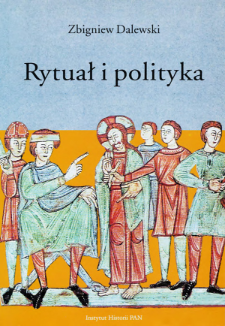
Tytuł: Rytuał i polityka : opowieść Galla Anonima o konflikcie Bolesława Krzywoustego ze Zbigniewem

Inny tytuł:
Współtwórca:
Instytut Historii Polskiej Akademii Nauk
Wydawca:
Miejsce wydania:
Opis:
Bibliogr. s. 226-249. Indeks ; 259, [1] s. ; 24 cm ; Streszcz. ang.
Abstrakt:
In Gallus Anonymous’ Chronicle we find a relatively comprehensive account of the dramatic events that in all probability took place in 1111, when Zbigniew, older half-brother of Duke Bolesław III Wrymouth of Poland, expelled by the latter from the country some years earlier, returned home. From the chronicler’s narrative, written almost simultaneously with the described events, we find out that the duke yielding to the humble requests of his brother decided to pardon his previous wrongdoings and consented to take him back. Zbigniew, however, did not show any gratitude and began to devise plans to return to power and remove his brother from the throne. In these circumstances Bolesław had to take drastic actions in the aftermath of which Zbigniew suffered – as Gallus put it – irreparable detriment. Yet in his justification of Bolesław’s actions against Zbigniew Gallus admitted that the duke turning against his brother committed a sin that had to be expiated through a ceremony of public penance. Further in his story he devoted much attention to depicting of the atoning duke who with great zeal engaged in penitential practices of strict fasting and generous almsgiving, culminating at Easter in the ceremony of reconciliation with God by the Grave of St. Adalbert at Gniezno. Bolesław’s decision to perform a ritual of public penance after having crushed his brother indicates that Zbigniew’s execution did not meet with general approval and undermined the duke’s authority. Thus the narrative written at the court of Bolesław III Wrymouth, explicitly shifting the responsibility for the tragedy from the culprit onto victim, could be seen as an official version of the dispute between the brothers, propagated by the entourage of the duke. This peculiar embroilment of the Gallus’ text in propaganda needs of the ducal court offers an opportunity to go beyond a purely informative (if we can use the term) layer of this account and make an attempt to examine the chronicler’s ways of constructing images, tailored to his needs, of the events accompanying Bolesław’s dispute with Zbigniew. As it seems, in order to rightly understand thepolitical reality of the earlier Middle Ages we have to consider both the means of exercising political influence used in political undertakings, and the ways in which they were reflected in narratives. The realities of practical activities and narrative intermingled, determining the frames within which political activity developed. [...]
Szczegółowy typ zasobu:
Format:
Identyfikator zasobu:
oai:rcin.org.pl:64108 ; ISBN 83-88909-36-3
Źródło:
IH PAN, sygn. II.11365 ; IH PAN, sygn. II.11364 Podr. (Arch.) ; kliknij tutaj, żeby przejść
Język:
Język streszczenia:
Prawa:
Licencja Creative Commons Uznanie autorstwa-Bez utworów zależnych 4.0
Zasady wykorzystania:
Zasób chroniony prawem autorskim. [CC BY-ND 4.0 Międzynarodowe] Korzystanie dozwolone zgodnie z licencją Creative Commons Uznanie autorstwa-Bez utworów zależnych 4.0, której pełne postanowienia dostępne są pod adresem: ; -
Digitalizacja:
Instytut Historii Polskiej Akademii Nauk
Lokalizacja oryginału:
Biblioteka Instytutu Historii PAN
Dostęp:
Kolekcje, do których przypisany jest obiekt:
- Repozytorium Cyfrowe Instytutów Naukowych > Kolekcje Partnerów > Instytut Historii PAN > Książki
- Repozytorium Cyfrowe Instytutów Naukowych > Kolekcje Partnerów > Instytut Historii PAN > Wydawnictwa Instytutu
- Repozytorium Cyfrowe Instytutów Naukowych > Kolekcje Partnerów > Instytut Historii PAN > Wydawnictwa Instytutu > Książki
- Repozytorium Cyfrowe Instytutów Naukowych > Piśmiennictwo > Książki/Rozdziały
Data ostatniej modyfikacji:
11 wrz 2025
Data dodania obiektu:
2 sty 2018
Liczba pobrań / odtworzeń:
2460
Wszystkie dostępne wersje tego obiektu:
https://rcin.org.pl/publication/83579
Wyświetl opis w formacie RDF:
Wyświetl opis w formacie RDFa:
Wyświetl opis w formacie OAI-PMH:
| Nazwa wydania | Data |
|---|---|
| Dalewski, Zbigniew (1962- ), Rytuał i polityka : opowieść Galla Anonima o konflikcie Bolesława Krzywoustego ze Zbigniewem | 11 wrz 2025 |
Obiekty Podobne
Krawiec, Adam
Eder, Maciej
Michałowski, Roman (1949– )
Banaszkiewicz, Jacek (1947– )
Wojtowicz, Witold
Wiszewski, Przemysław (1974– )